
Natural Pest Control: Using What You Have to Protect Your Garden
By the TechnoFarm Team
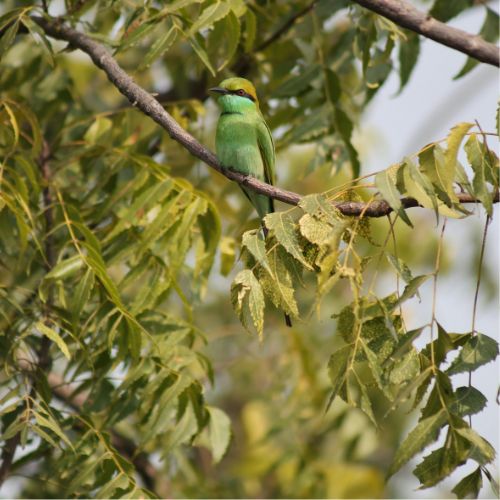
At TechnoFarm, we believe that an organic farm in The Gambia shouldn't require expensive imported chemicals. Many of the best solutions for protecting your garden are already growing in your yard or sitting in your kitchen. Today, we are sharing our favorite local recipes for natural pest control.
1. The Power of the Neem Tree
You don't need to buy expensive neem oil when we are surrounded by Neem trees! Neem is a powerful natural insecticide. To make your own spray:
- Gather a large handful of fresh Neem leaves.
- Crush or soak them in a bucket of water for 24 hours until the water turns dark green.
- Strain the liquid and spray it on your organic vegetables to keep beetles and caterpillars away.
2. Garlic: The Natural Repellent
Pests hate the smell of Garlic just as much as we love it! A simple garlic tea can be sprayed on your seedlings to discourage insects from landing on them. Simply crush a few cloves of garlic, steep them in hot water, let it cool, and add it to your sprayer.
3. The Madar Trick for White Flies
If you have citrus trees (like Lime, Orange, or Lemon), you have likely seen the tiny, sticky white flies that hide under the leaves. A common and very effective Gambian solution is using Madar detergent.
Adding a very small amount of powdered Madar detergent to your water sprayer helps the water stick to the insects and suffocates them. It is especially effective for cleaning the "sooty mold" that white flies leave behind on citrus leaves.
4. Why Choose Natural Over Chemical?
Chemical pesticides can kill the "good bugs" like bees and ladybugs that help your garden grow. By using Neem and Garlic, you keep your seeds and seedlings safe while ensuring that the organic vegetables you harvest are healthy for your family to eat.
🌱 Grow Your Own Protective Barrier
Healthy plants are the best defense against pests. Start with our strong, organic seedlings and use these local tips to keep them thriving!
Shop Our Seedlings